
Check a VIN for free in Costa Rica.
Compare the make, model, year and engine with the listing before you buy a used car.
Only have the plate or the chassis number? Check by plate · Check by chassis number
You'll see the car's details.
Toyota Prius 2007
- Engine
- 1.5 L
- Fuel
- Gasoline
- Built in
- Japan
Open «See all the free data» in the result for the full sheet.
Full history₡2.500
If the car has US records, you can order its history to check titles, salvage and mileage.
What each lookup includes
Identification
Use it to compare the car with the listing.
- Make, model, year and trim
- Engine, fuel and transmission
- Body, drive and country of manufacture
US history report
Check the available records before you decide.
- Title brands: salvage, flood, rebuilt
- Total loss, salvage auctions and junkyards
- Odometer readings, to spot rolled-back mileage
- Titles by state and open recalls
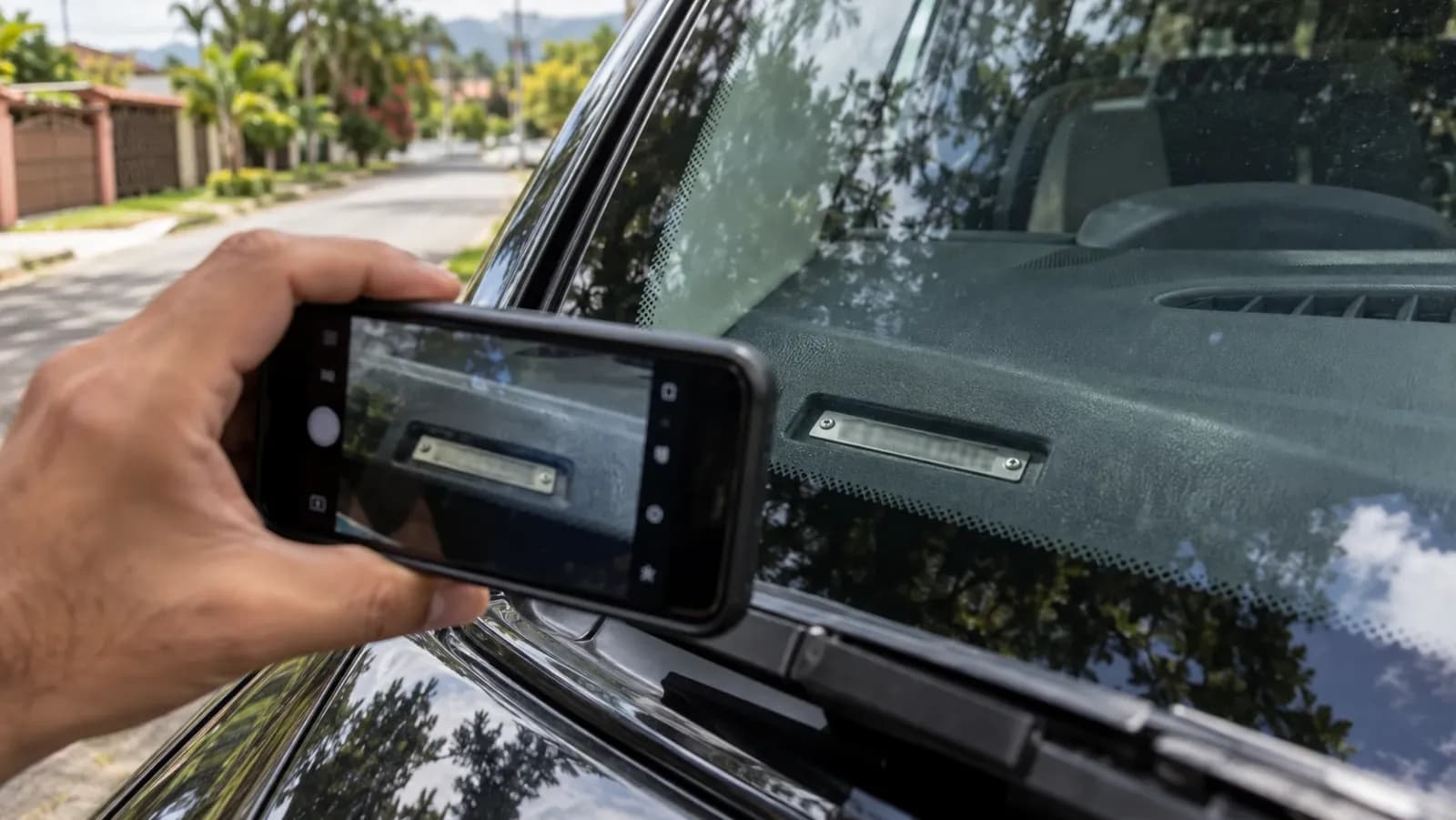
Where do I find the VIN?
- At the bottom corner of the windshield, on the driver's side (visible from outside).
- On a label in the driver's door frame.
- On the registration card and the National Registry documents.
- On the insurance policy or the purchase invoice.
Guide: how to look up a car by chassis number or VIN (in Spanish) →
Frequently asked questions
What is a VIN and how do I check it for free?
The VIN is the vehicle identification number: 17 letters and digits unique to each car. Check it here for free, without signing up, and confirm in seconds that the used car you're buying is the one in the listing.
What is it for?
Before buying a used car, the VIN confirms it's the car the listing says: same year, same model, same engine. If something doesn't match, ask the seller before going further.
When do you ask for my email or payment?
Only if you order the history report. The basic lookup asks for no email, sign-up or card.
Does it work if the car was sold new in Costa Rica?
The basic lookup does: it identifies the make, model and year. The US history is for cars imported from there; if a Costa Rican dealer sold it new, it probably has no records.
Are the chassis number and the VIN the same?
On almost every modern car, yes: the chassis number on the registration card is the 17-character VIN. Some cars imported from Japan have a shorter chassis number, which isn't a VIN and can't be checked here.
Can I look up a car by its chassis number?
Yes, if it has 17 letters and digits: enter it above as the VIN. To see who owns it or whether it has liens, search by plate at the National Registry.
Is the engine number the same as the VIN?
No. The engine number is stamped on the engine block and is different from the VIN. The transfer and the technical inspection check that both match the papers.
What does the free check show?
Make, model, year, trim, body, engine, drive, transmission and country of manufacture. It doesn't show title history, total losses or mileage: that's in the history report.
Have the VIN?
Start with the car's basic details.
Data from the NHTSA's public vPIC database (US). It works best with cars built for the US market; other markets may return less data. It doesn't replace a National Registry check or an inspection.